
One fireplace, three upgrades
An open fireplace in a Carson living room usually ends up with one of three things in it: a set of gas logs, a gas insert, or a pellet insert. All three end the hauling of firewood. They differ in how much heat reaches the room, what they ask of the chimney, and what they cost to put in and keep running. This post sets them next to each other so the choice becomes a planning decision instead of a guess.
What each one is
Gas logs are ceramic logs sitting on a gas burner in the existing firebox. The flame looks like a wood fire, the damper stays open, and the exhaust goes up the old flue. They are about looks first. Most of the warmth rides up the chimney with the exhaust.
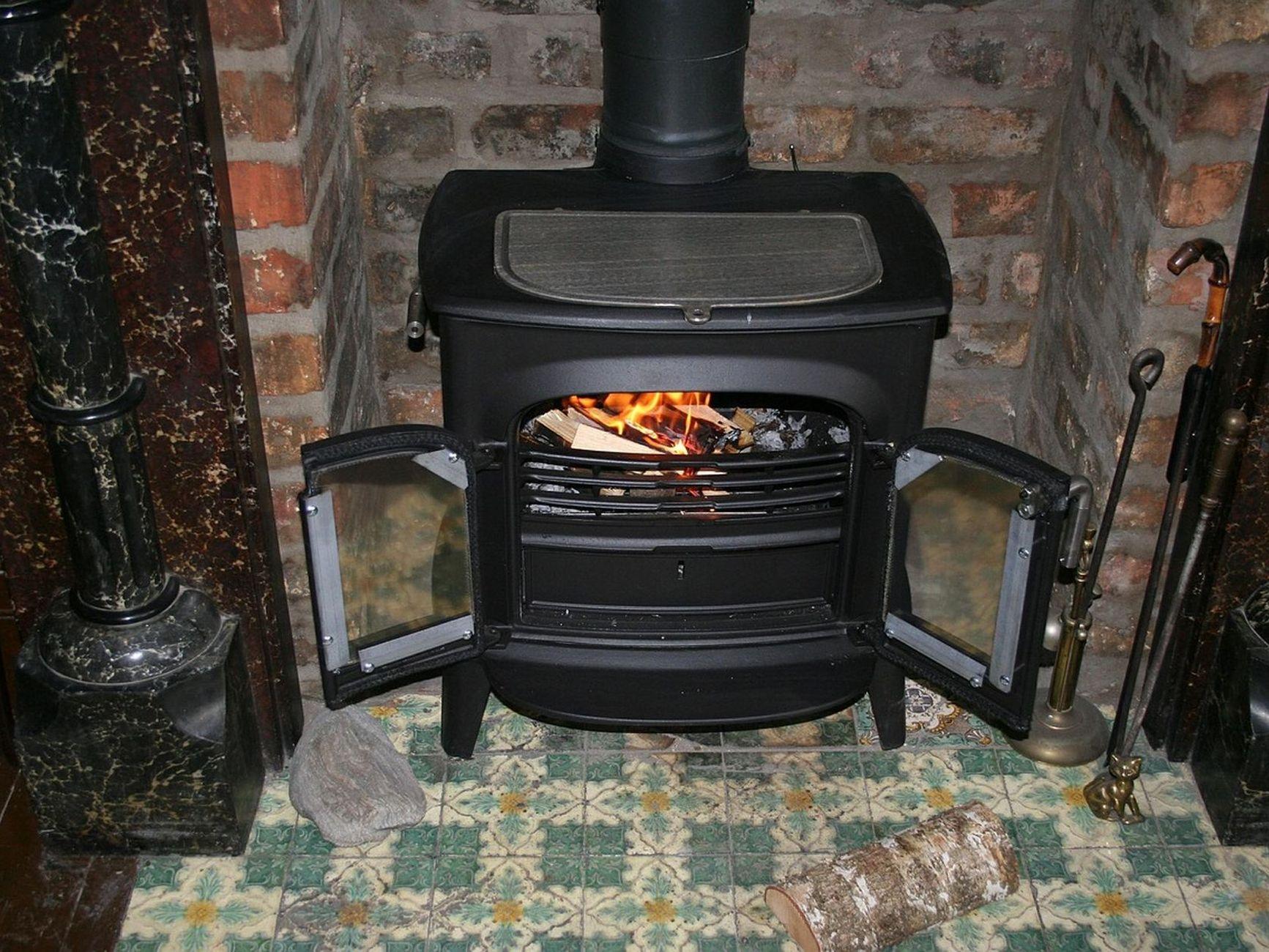
A gas insert is a sealed steel box with a glass front that fills the fireplace opening. Two pipes inside the chimney do the breathing: outdoor air comes down one to feed the flame, and exhaust goes up the other. The room air stays in the room, and a blower moves the heat out across the floor.
A pellet insert is also a sealed box, but it burns wood pellets fed from a hopper by a small motor. It needs a power outlet, a vent sized for pellet exhaust, and someone to fill the hopper and empty the ash pot. It gives steady heat on a thermostat.
Side by side
| What you compare | Gas logs | Gas insert | Pellet insert |
|---|---|---|---|
| Fitted price | Written figure after we see the firebox | $2,700 to $5,400 | Written figure after measuring |
| Heat into the room | Low | High | High |
| Fuel | Gas line | Gas line | Pellet bags, stored dry |
| Power needed | No | For the blower | Yes, for the auger and fan |
| Venting | Existing flue, damper open | Sealed pipes to the top | Sealed pellet vent |
| Yearly upkeep | Burner and log check | Burner, glass and vent service | Vent and ash cleaning, motor check |
Heat versus looks
If the fireplace is lit a few times a year for the holidays, gas logs may be all you need. They give a flame on demand for less than an insert, and the fireplace keeps its open look. If the goal is a warmer living room through December and January, logs disappoint: with the damper open, the chimney keeps pulling warm room air outside while they burn.
The insert is the heater of the three. Closing the opening behind glass stops that pull, and the blower pushes heat into the room where people sit. Owners who switch from an open fire to an insert often notice the furnace running less on the nights they use it.
What the chimney has to allow
Each option asks something different of the masonry.
- Gas logs need a flue that is clear and sound, a damper that can be fixed open, and a gas supply sized for the burner.
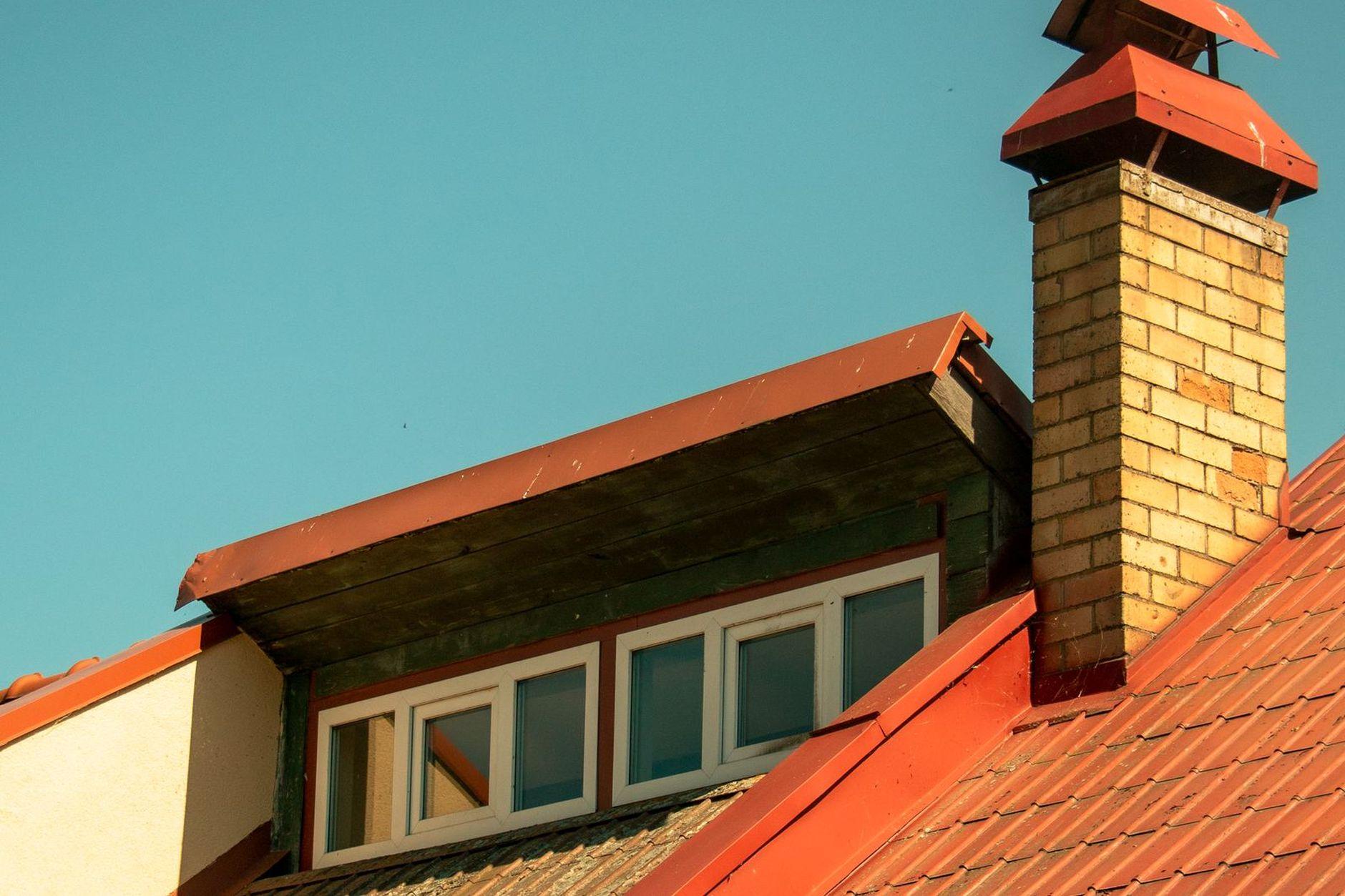
- A gas insert brings its own sealed pipes, so it is forgiving of an old flue. It does need room at the top for the termination and a chimney top in decent shape.
- A pellet insert needs a vent sized for pellets, often lined the full height of the chimney, and a firebox deep enough for the unit and its hopper.
The way we find out is a Level 2 inspection at $375. A camera goes up the flue and we record the tiles, the smoke chamber and the top. That recording shows which of the three your chimney takes without extra work, and which ones need a liner or a repair first.
No-burn nights
The South Coast air district, which covers Carson, can call no-burn days in the cold season. On those days wood burning is off, but gas logs and gas inserts are not affected. Pellet units are a separate question under the district's own rules, so check its pages before counting on one for every night. For owners who want a fire on any evening they choose, gas is the plain answer.
What decides your next step
Three questions settle it for most households:
- Is the fireplace for heat, or for the look of a flame a few nights a year?
- Is there a gas key at the hearth already, or would a line need to be run?
- Are you willing to buy, store and load pellet bags through the winter?
Get a written price for the option you prefer. Tell us which of the three you are leaning toward and whether gas reaches the fireplace, and we call back to book the inspection the quote is built on.
Upkeep over ten winters
The cheapest install is not always the cheapest to own. Gas logs need little beyond a burner check. A gas insert wants a yearly service of the burner, glass and venting. A pellet insert needs its vent and ash cleaned on a schedule tied to how many bags you burn, and its motors are parts that eventually wear. Our pellet stove repair and gas log pages describe what those service visits cover, and the insert price guide breaks the gas insert figure down part by part.
What we see on Carson streets
Many homes here have one fireplace, one story and a gas line already at the hearth, and those houses suit a gas insert with little fuss. Owners who already burn pellets elsewhere, or who want to keep a wood-based fuel, lean toward pellet. Owners who simply miss the look of a flame on a holiday evening often stop at gas logs. All three are reasonable. The point is to choose with the chimney's condition and the price in front of you, the same way we plan it for households in Compton, Long Beach and South Gate.
Talk it through
Reach us through the contact page with the option you are weighing, and we will set up the visit that puts a figure on it.
Turn This Guide Into Figures for Your House
Kemp Chimney Care measures the firebox, scopes the flue and writes up wood, gas and pellet options next to each other, each with its installed figure. Visits run from Carson to Compton, Long Beach, South Gate and nearby towns.