
The fireplace in the listing photos
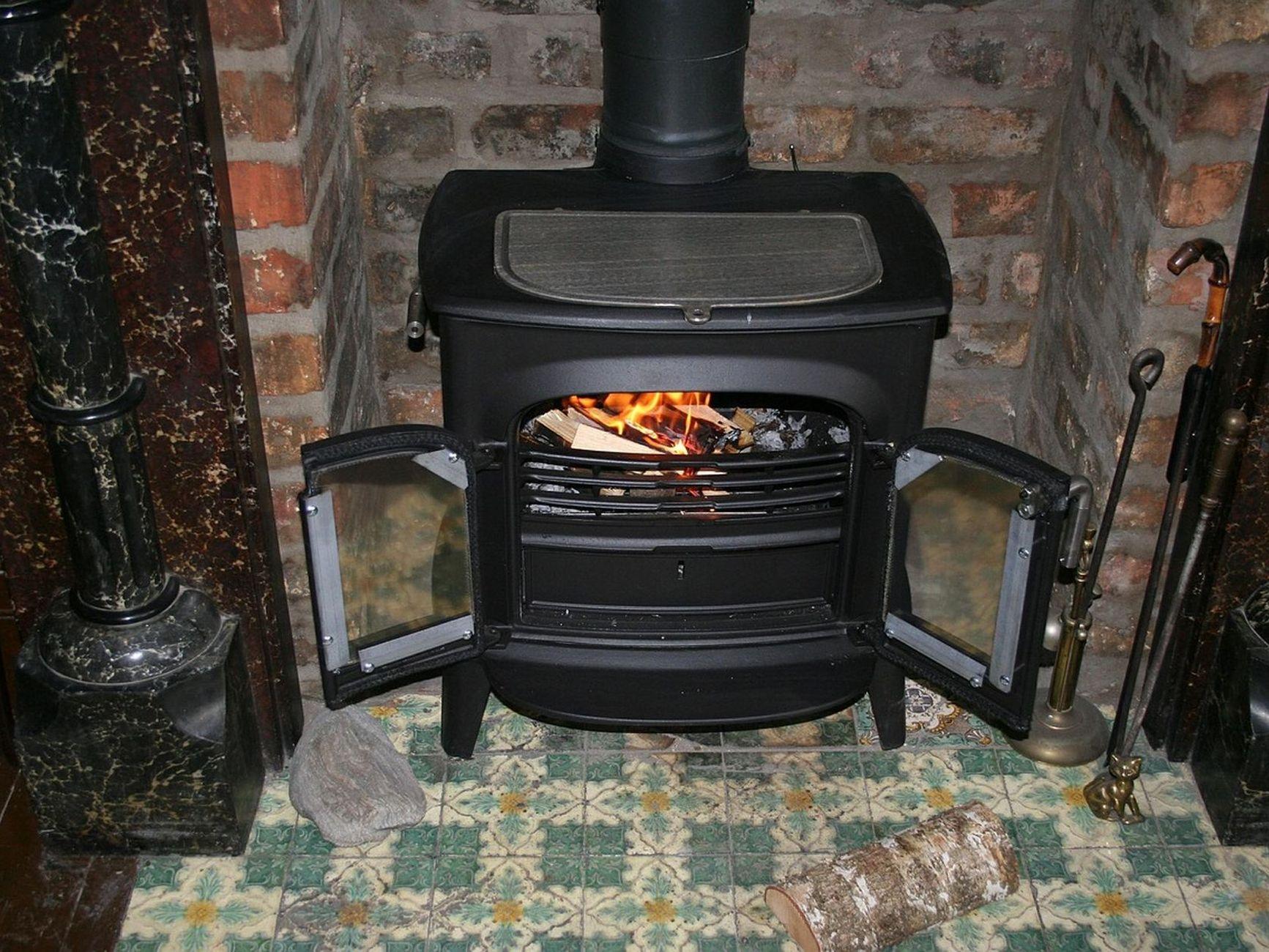
A listing that says "gas insert" or "wood insert" sounds like a finished upgrade. Often it is. Sometimes it is a unit pushed into an old fireplace twenty years ago with a vent nobody can see. When you are buying a house in Carson with an insert in the living room, the glass front tells you very little. What matters sits behind it and above it. This post explains what a chimney inspection looks at when an insert is already in place, what it costs, and what the findings mean for the purchase.
Why a general home inspection stops short
A general home inspector covers a whole house in a few hours. At the fireplace they usually note the brand if it is visible, try the controls, and look at the chimney from the ground or the roof edge. Many reports then recommend "further evaluation by a chimney specialist." That line is not a finding. It means the inspector could not see what decides whether the insert is sound: the vent inside the chimney.
What a chimney inspection checks on an insert
For a house changing hands, we run a Level 2 inspection, $375 with Kemp Chimney Care. On an insert that means:
- Reading the unit's label, so its age and venting needs are known.
- Checking whether a liner runs from the insert to the chimney top, or whether the unit simply exhausts into the old masonry flue.
- Running a camera up the flue to see the liner or the tiles, the joints, and any creosote or debris.
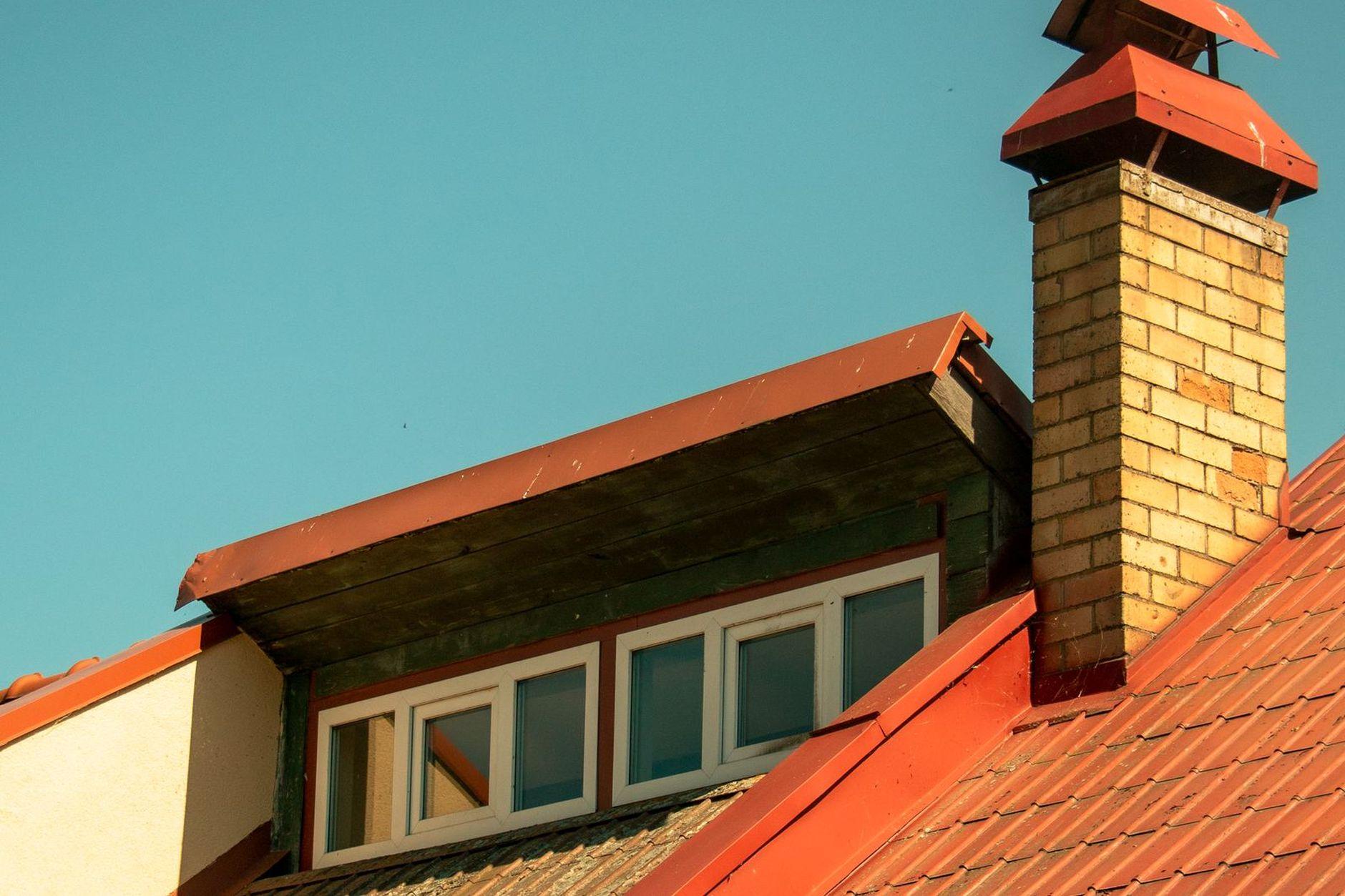
- Looking at the chimney top: the termination, the cap, the masonry.
- On gas units, looking at the valve, the pilot and the glass seal.
- On wood units, checking the hearth in front of the door and the clearance to the mantel.
You receive a written report with photos and the recording. It lists what was found and what each item would take to put right.
Gas and wood inserts hide different things
A wood insert's risks sit in the flue: creosote, a missing or crushed liner, a joint at the top of the unit that has pulled apart. These are invisible from the room and plain on camera. A gas insert's risks are quieter. The vent pipes can come apart near the top, a missing cap lets birds nest in the intake, and an old pilot assembly can be tired. A buyer inheriting either kind deserves to know which of these applies, because the repairs are different jobs with different prices.
Findings that change a negotiation
Most reports on inserts fall into a few groups.
- No liner behind a wood insert. The unit exhausts into a big masonry flue meant for an open fire. Smoke cools, deposits build, and the draft can be poor. The fix is a stainless liner sized to the unit, priced on paper from the measurements.
- An old gas unit with no service history. Often fine, but the burner, pilot and vent need a full service, and some older units have parts that are no longer made.
- A cap or top in poor shape. Replacing it is priced after a measurement, with the flue size and the metal you pick deciding the quote.
- Water at the chimney. Leak repair, when the source is at the chimney, runs $540 to $3,200 depending on what is failing.
- Nothing serious. Plenty of inserts pass with a note to sweep or service.
Each item comes with either a figure from our price list or a written repair quote, so buyer and seller are discussing numbers instead of worries.
What decides your next step
Before you choose what to ask the seller for, have three things in hand:
- The type of insert and whether it has a liner.
- The camera findings, with photos.
- A figure for each repair item, from the price list or a written quote.
Book a Level 2 for the house you are buying. Give us the address, the type of insert if the listing names it, and who will let us in, and we call back to set the visit.
When the seller has paperwork
If the seller kept the insert's manual or the original install invoice, ask for it. The model number tells us the vent the maker requires, and an invoice that lists a full-height liner is a good sign, though the camera still has the final word. Missing paperwork is common on older Carson houses and is not a finding by itself. It only means the inspection has to answer what the paperwork would have.
Sellers and agents
Sellers in Carson sometimes order this inspection before they list, so the insert is a known quantity when buyers start asking. Our home sale inspection page is written for that case, and agents can read how we work with them on the real estate agent page. If a repair comes out of the report, the up to code repairs page lists the usual fixes and their prices.
After you move in
An insert that passed still needs its routine. Plan a sweep each season for a wood unit, from $405, or a yearly service for gas. If you would rather turn an inherited wood insert into gas, the insert price guide shows how that job is priced, and the liner guide covers the vent side.
Before the purchase closes
When you are ready to schedule the inspection on a house you are buying in Carson, Compton, Long Beach or South Gate, use our contact page and we will arrange the visit with whoever holds the keys.
Turn This Guide Into Figures for Your House
Kemp Chimney Care measures the firebox, scopes the flue and writes up wood, gas and pellet options next to each other, each with its installed figure. Visits run from Carson to Compton, Long Beach, South Gate and nearby towns.