
Start with the number you came for
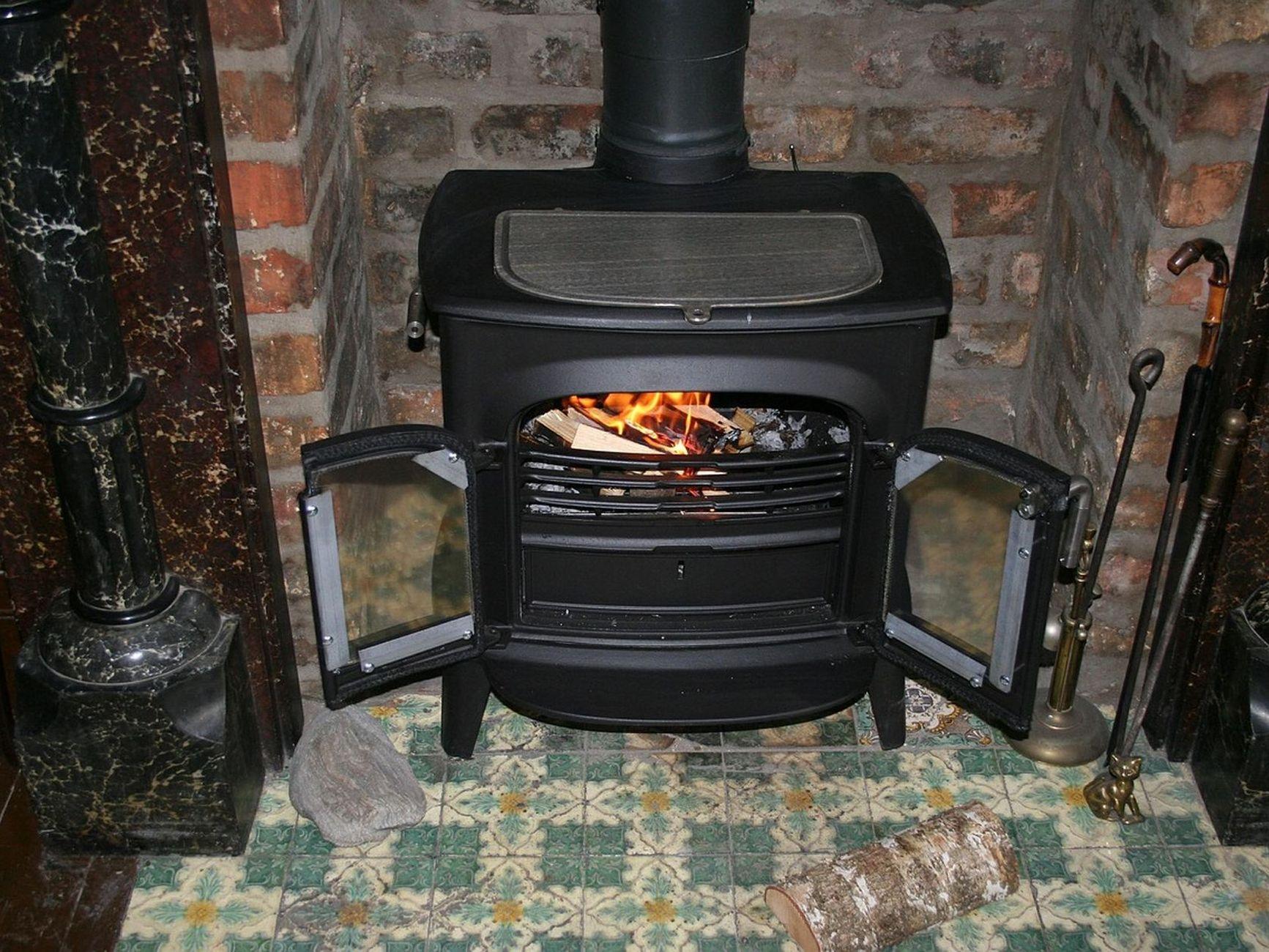
A gas insert fitted into a fireplace you already have costs $2,700 to $5,400 with Kemp Chimney Care. That range is the whole job: the firebox unit, the vent pipes run up inside the old chimney, the cap on top, the hookup to the gas valve and a first lighting with you watching. Wood and pellet inserts have no printed range on this site. They are priced on paper once we have measured your fireplace, and the reasons are below.
Most calls we take in Carson start the same way. Somebody has an open brick fireplace in the living room that looks good and heats almost nothing. On a cold January night the fire roars, the furnace clicks on anyway, and the room feels draftier than before it was lit. An insert turns that hole in the wall into a heater with a glass front. This post walks through what you pay for, what moves the figure, and how the quote gets built.
Where the money goes on a gas insert
Think of the price in four pieces.
- The unit. Small traditional fronts sit at the low end. Wide, low-profile faces with a big pane of glass, a blower and a wall thermostat climb toward the top.
- The venting. A gas insert breathes through two flexible aluminum pipes, or one pipe inside another, running from the unit to the chimney top. A two-story stack needs more pipe than a single-story house.
- The gas connection. Many Carson fireplaces already have a gas key for a log lighter. When that line is there and sized right, the hookup is short. When it is not, a line has to be run, and that work shows on the quote.
- The firebox itself. Cracked firebrick, an old damper plate that has to come out to make room, or a low hearth all add labor before the unit slides in.
If the room you want to heat has no fireplace at all, the job changes. A sealed gas fireplace built into a new wall or a corner, vented straight outside, runs $4,300 to $8,600. That figure covers framing around the unit and the vent run through the wall or roof.
Wood and pellet inserts
A wood insert burns split logs behind glass and sends its smoke up a stainless liner. A pellet insert burns compressed sawdust from a hopper, uses a small electric fan and auger, and needs an outlet near the hearth. Both come in many sizes, and both lean harder on the chimney than gas does: a wood unit runs hot for hours, and a pellet unit needs a tight, sealed vent. The spread between a compact pellet unit in a short chimney and a large cast iron wood unit in a tall one is too wide to print as one fair range. You get a written figure after the measuring visit, with every part named on its own line.
On wood, one more point matters here. The South Coast air district calls no-burn days in the cold months, and on those nights a wood insert sits idle while a gas insert carries on. How pellet units are treated is the district's call, so check its own pages before choosing pellet for that reason. For many owners that rule settles the choice before price does. Our comparison of gas logs, gas inserts and pellet inserts goes through it side by side.
The inspection that comes first
Swapping an open fireplace for an insert changes the appliance the chimney serves, so the flue is checked on camera before anything is ordered. That Level 2 inspection is $375. It tells us three things the price depends on: how tall the flue is, which sets the pipe length; whether the clay tiles are whole; and whether the smoke chamber above the damper is solid enough to hold the vent connection. Some older South Bay flues still hold cracks from the 1994 quake that nobody ever filmed. A sealed gas insert with its own pipes is forgiving of a cracked tile, but we still want to know before we quote, because a wood unit may need a full liner and the top of the chimney may need work to take the termination.
If the camera shows nothing unusual, the inspection fee is the only money spent before you decide. You keep the recording, the photos, and a quote you can set beside anyone else's.
What decides your price
Pulled together, the figure on your quote comes from:
- Gas, wood or pellet, and the size and face of the unit you choose.
- The height of the chimney and how straight the flue runs.
- Whether a gas line already reaches the fireplace.
- The condition of the firebrick, damper and hearth.
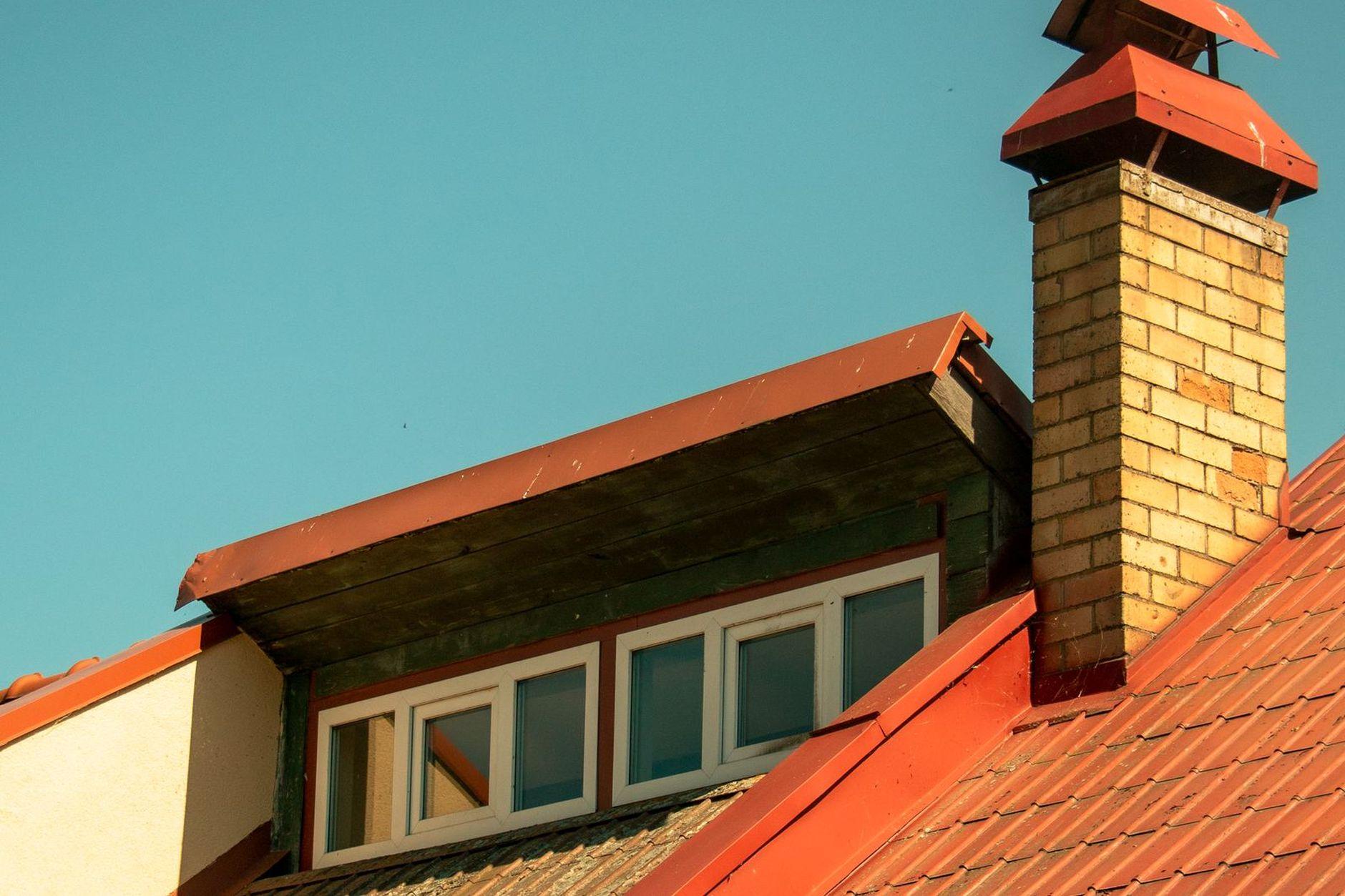
- Whether the masonry or cap at the top needs work before the vent can end there.
Ask for a written insert quote. Tell us the width of the fireplace opening, whether there is a gas key beside it, and how many stories the house has, and we call back to set the measuring visit.
Running costs after the install
A gas insert needs a yearly service: the burner and pilot looked over, the glass cleaned, the vent checked at the top. A wood insert needs a sweep in each season you burn it, and our sweep is from $405. Pellet units need their ash pot and vent cleaned on a schedule set by how many bags you go through. None of these is a large bill, but they belong in the comparison, since a cheaper unit with more upkeep can cost more over ten winters.
Carson houses and the insert we usually suggest
Many fireplaces we see in Carson sit in single-story houses with a short chimney and a gas line already at the hearth. That combination suits a gas insert: short vent pipes, a quick hookup, and a heater that works on every winter night. Two-story homes and houses where the fireplace has been closed off for years take more planning, but they are no reason to stay with an open fire. We plan the same job in Compton, Long Beach and South Gate, and the fireplace insert service page lists what a fitting visit covers.
Ready when you are
When you want a number on paper for your own fireplace, send a request through our contact page and say which kind of insert you are leaning toward.
Turn This Guide Into Figures for Your House
Kemp Chimney Care measures the firebox, scopes the flue and writes up wood, gas and pellet options next to each other, each with its installed figure. Visits run from Carson to Compton, Long Beach, South Gate and nearby towns.