
Chimney Masonry Repair in Carson That Suits the Old Brick
Pricing Chimney Masonry Repair?
Tell us what the fireplace or chimney is now and what you would like it to do. The reply sets a visit to measure.
What Kemp Does on This Job
An insert and liner are only as good as the chimney around them. Loose brick and sandy joints let water in, and wet masonry shortens a steel liner's life. We grind out the weak joints, repoint with a mortar that suits the old brick, and replace faces that have popped. Earthquake cracks get a closer look and a written plan. Each part of the job has its own line on the quote.
Where brick chimneys break down
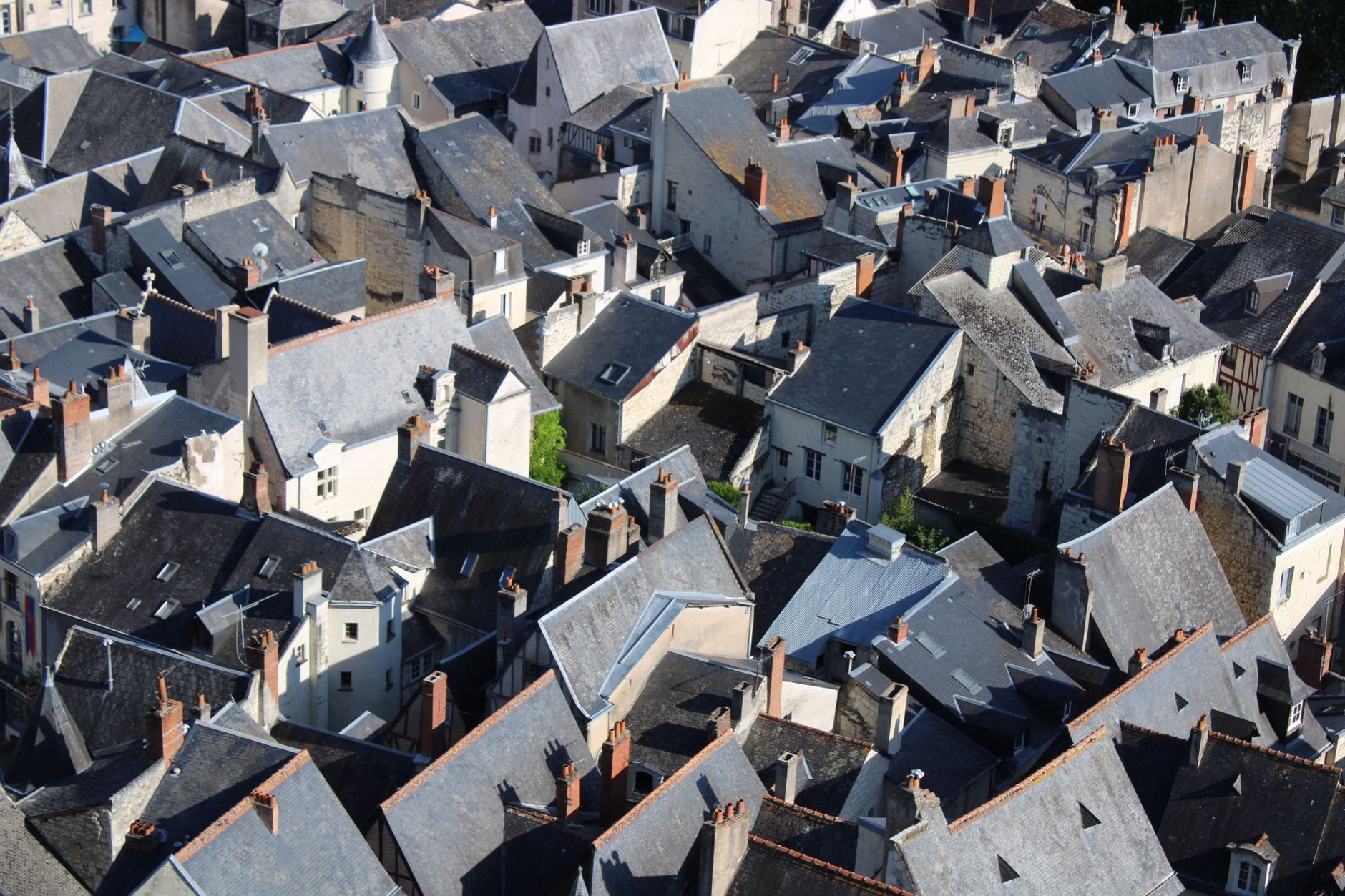
The part of the chimney above the roof gets the worst of the weather. Sun bakes it, winter rain soaks it, and the wind pushes on it from every side. Over decades the mortar between the bricks erodes faster than the bricks themselves, which is how it should be, since mortar is meant to be the softer, replaceable part. Once joints open, water gets into the wall, and brick faces start to flake. At Kemp Chimney Care we repoint by grinding out the worn mortar to a sound depth and packing in new mortar mixed to suit the age of the brick. Older brick from the forties and fifties is soft, and a modern high-strength mix sets harder than the brick around it, so the brick cracks first the next time the stack moves. Getting the mix right matters more than speed. Where a brick face has flaked off or split, we chisel that brick out and set a matching one in its place.
Masonry repair also covers the parts people rarely see: the crown at the top, the inside of the smoke chamber, and the firebox walls. Each takes different materials. The crown needs a mix that sheds rain and resists cracking. The smoke chamber needs a heat-rated parging coat. The firebox takes firebrick and refractory mortar. When we look at a chimney we note all three and put them on one written sheet with a price for each, so you can do the urgent work now and plan the rest. Repairs on the stack above the roof are where safety meets money: loose brick there can fall onto the roof or the yard below, and a stack that has lost too much mortar may need a partial rebuild rather than repointing. We explain where that line falls for your chimney, with photos to show it.
Masonry work and the insert decision
If you are planning an insert, masonry work changes shape. An insert brings its own sealed firebox and its own stainless liner, so the condition of the firebox brick and the inner face of the flue becomes less critical. The outer stack and the crown still matter, because they keep weather out and hold up the cap and liner top. So the planning question is which masonry work protects the chimney itself, and which work only matters for an open fire. We split them on the quote. Outer stack repointing and crown work stay on the list either way. Firebox rebuilding and smoke chamber parging may drop off if an insert is going in. That keeps you from paying for brick work that will sit hidden behind a new steel box, and it puts the money where it does the most good.
Older chimneys in Carson, Compton and South Gate tend to show the same set of problems, mostly from age and the occasional quake. Joints near the top go first, then the crown cracks, then bricks loosen at the corners. In Long Beach near the water, salt air speeds things up and stains the brick. We have no stock answer for any of it; each stack gets its own scope. Before work starts you receive a written quote that says which courses will be repointed, which bricks replaced, what mortar is used and what happens to the cap and flashing while we work. When the job is done we send photos of each face of the chimney. If you are selling, those photos and the written scope go straight into the disclosure packet.
How Kemp Prices and Plans
Measured First
Firebox and flue sizes taken before any figure
Side by Side
Repair and upgrade priced on one page
Written Lines
Each part of the job listed on its own
Photo Record
Before and after pictures in your report
Towns where Kemp books chimney masonry repair
Open a town for its housing notes, codes and the local version of this job.
CA
Chimney Masonry Repair in Carson
Picture a postwar ranch with an open hearth that warms the flue more than the den. About three in four Carson households own, so we sketch wood, gas and pellet insert plans side by side before anyone commits.
Open this townCA
Chimney Masonry Repair in Compton
Prewar sections still hold bungalows, and roughly 3 in 10 Compton homes date before 1950. Our plan compares a pellet unit, a gas insert and a wood insert, each paired with a liner cut to the old flue's size.
Open this townCA
Chimney Masonry Repair in Long Beach
Behind a Long Beach hearth could be masonry or a factory-built box, depending on era and street. Knowing which comes before any comparison, since the two accept different inserts and liners.
Open this townCA
Chimney Masonry Repair in South Gate
Nearly half of South Gate's housing predates 1950. We measure each old firebox opening, then line up pellet, gas and wood inserts against it so the fit, not a sales pitch, steers the pick.
Open this townOther Kemp Jobs
Chimney Sweep
Brushing and vacuuming the flue, plus a written note on whether the chimney could take an insert or a steel liner later.
DetailsChimney Inspection
An NFPA 211 look at flue, crown and damper, with each finding ranked and an upgrade path noted where one makes sense.
DetailsChimney Repair
Fixing the chimney parts that let heat, water or smoke out where they should not, priced line by line before work starts.
DetailsFireplace Inspection
The room side of the fireplace checked: firebox, throat, damper, hearth and the clearances an insert would have to meet.
DetailsFireplace Repair
Firebrick, refractory panels, throat and hearth put right, or a plain note on when an insert would make more sense.
DetailsChimney Level 2 Inspection
Every flue filmed end to end, attic and roof looked over too, before a sale, an appliance change or after a quake.
DetailsChimney Cap Installation
A stainless cap with spark mesh, sized to the flue tile, or to the new liner when an insert goes in.
DetailsChimney Flashing Repair
Water at the roof joint tracked to its source, then step and counter metal renewed to suit your roofing.
DetailsChimney Rebuilds
A stack that has failed taken down and laid again, with the new flue planned around the heater you intend to run.
DetailsFireplace Cleaning
Ash, soot and film cleared from the firebox, doors and hearth, plus a look at whether the opening would take an insert.
DetailsGas Fireplace Cleaning
A gas fireplace or insert serviced from pilot to glass, then lit so flame and venting can be checked.
DetailsGas Fireplace Repair
Gas fireplaces and inserts that will not light, stay lit or hold a steady flame traced to the failed part and repaired.
DetailsFireplace Remodel
A new surround, mantel and hearth built around the heater you choose, with the insert or gas unit planned in first.
DetailsFireplace Inserts
Wood, gas and pellet inserts sized to your firebox and room, vented through a steel liner, and installed as a planned job.
DetailsPellet Stove Repair
Pellet stoves and inserts that refuse to light, go out mid-burn or soot the glass, cleaned and tested part by part.
DetailsWood Stove Repair
Freestanding stoves and wood inserts brought back to a hot, steady burn, with a straight answer when replacing costs less.
DetailsGas Logs
Vented gas log sets matched to the opening and the room, with the gas line and valve fitted and the flame tuned.
DetailsChimney Seismic Retrofit
Brick chimneys tied back to the house frame or cut down and finished lighter, planned before an insert goes in.
DetailsChimney Crown Repair
The concrete slab on top of the chimney sealed or poured again, so rain stays out of the brick and away from a liner.
DetailsDryer Vent Cleaning
Lint cleared from the dryer duct from the machine to the outside hood, with airflow checked once the dryer runs again.
DetailsChimney Liner Installation
Stainless steel liners run from the heater to the chimney top, sized to the insert, stove or gas unit they serve.
DetailsChimney Leak Repair
Water coming in at or around the chimney traced to crown, flashing, brick or cap, then repaired in the right place.
DetailsChimney Waterproofing
A breathable water repellent on clean, repaired brick, so rain beads off while moisture inside can still escape.
DetailsChimney Damper Repair
Throat dampers freed, reset or replaced, or a top-mount damper fitted, so the flue shuts tight when the fire is out.
DetailsChimney Chase Cover
Rusted metal tops on framed chimneys replaced with stainless covers cut to fit the chase and the pipe through it.
Details